SEO-Optimized Large-Scale Web Design for Rochester, NY Businesses
What Makes Enterprise Web Design Optimization-Friendly
For enterprise websites, robust design is not just about visual polish. It is about building a base that supports technical SEO, well-defined site architecture, and dependable crawlability so search engines can read, rank, and index the right pages. On large sites with hundreds or thousands of URLs, even small design decisions can affect search visibility, indexation, and sustained organic rankings.
SEO-ready enterprise web design begins with information architecture. That means organizing content around user intent, business priorities, and topical clusters instead of internal politics or outdated department silos. A logical navigation structure, clean URL patterns, and uniform content hierarchy help both users and crawlers move through the site efficiently. This also protects crawl budget by reducing waste on duplicate, low-value, or orphaned pages.
Another important element is aligning design with semantic relevance. Search engines look for clear topical signals, and enterprise sites need to reinforce those signals through structured content, internal linking, and page templates that map to intent-driven landing pages. When design teams and SEO teams collaborate early, the result is a site that supports authority signals across priority categories while keeping the experience intuitive for visitors.
Sunstone Digital Tech50 Fountain Plz #1400, Buffalo, NY 14202
(315) 758-3349
https://maps.app.goo.gl/y9HMhvcoPCh9V3eKA
https://sunstonedigitaltech.com/buffalo-marketing-agency/web-design
42.8898193, -78.8738661
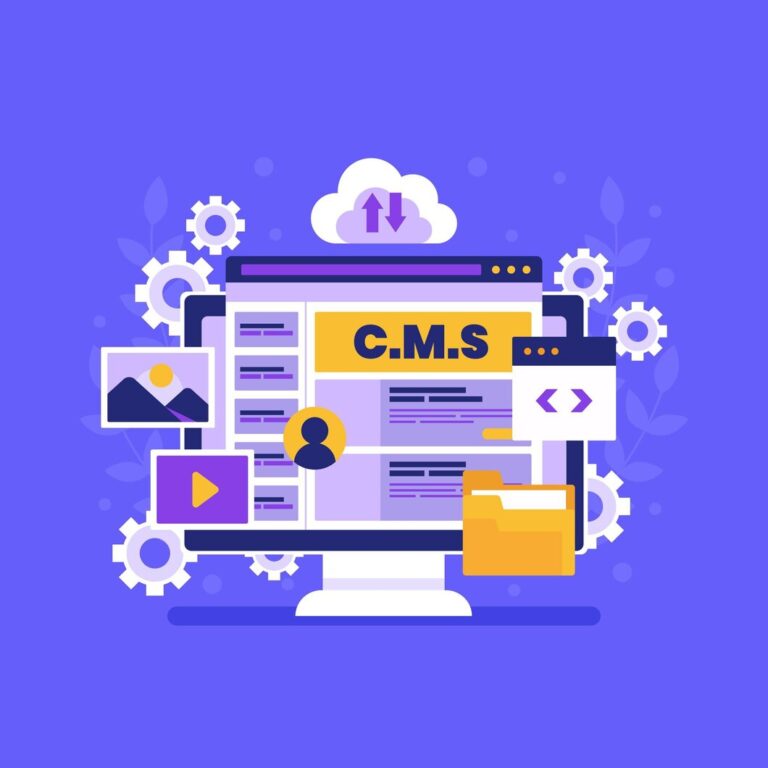
Enterprise organizations also need design systems that support scale. A flexible content management system should make it easy to publish, update, and govern content without creating duplicate templates or inconsistent metadata. For brands with multiple business units, regions, or audiences, SEO-friendly design requires controls that preserve brand governance while allowing local teams to customize messaging responsibly.
How Web Design Impacts Search Performance
Modern web design has a direct effect on ranking potential because design choices influence site speed, Core Web Vitals, and total page experience. Search engines increasingly prioritize sites that load quickly, respond smoothly, and hold stable during rendering. If a page feels slow or jumps around while loading, users abandon it—and that behavior can weaken both engagement and performance metrics.
Mobile-first design is especially important for enterprise brands because many decision-makers research vendors on their phones between meetings or while traveling. A responsive layout should adapt content, forms, menus, and interactive elements to smaller screens without hiding key information. Good responsive design supports usability, improves mobile responsiveness, and helps preserve conversions across every device.
Page structure also affects how well search engines interpret the site. Clean heading usage, optimized media, and efficient scripts help pages render faster and support better indexing. In enterprise environments, heavy design components, embedded tools, and third-party tracking can slow down the experience if they are not carefully managed. That is why performance auditing should be part of the design process, not an afterthought.
Because conversion rate optimization and SEO are closely connected, design must also support the full path from click to inquiry. Clear CTAs, trust signals, and focused layouts improve user experience and guide visitors through conversion funnels. When the page is easy to scan and the next step is obvious, both organic traffic and lead generation tend to improve.
SEO Solutions That Enterprise Sites Require
Enterprise initiatives usually require more than fundamental optimization. Strong seo services for large websites combine strategy, deployment, and ongoing quality assurance. The process starts with keyword research that looks past popular terms and reveals how distinct buyer groups search across the funnel. For enterprise brands, that means targeting informational queries, product-focused terms, and conversion-ready queries that match lengthy buying journeys.
On-page SEO continues to matter because large sites often have uneven metadata, repetitive copy, or templates that fail to reflect user intent. Each page needs the right title tag, headings, copy depth, internal links, and calls to action. When this optimization is done at scale, it expands topical coverage and raises the likelihood of appearing in SERP features such as featured snippets or enhanced results.
Schema markup is a further valuable layer for enterprise websites. By adding structured data, organizations can help search engines interpret more accurately products, services, FAQs, locations, events, and organization details. This can improve visibility, support richer search results, and reinforce trust signals. Schema also works especially well when paired with strong page templates and accurate content models.
Beyond implementation, enterprise SEO services must support governance. That means overseeing page creation, monitoring quality, reviewing technical issues, and maintaining consistency as the site evolves. Without a disciplined process, large websites can quickly accumulate duplicate content, thin pages, and broken internal links that erode search performance.
Digital Marketing Coordination Among Large Teams
Effective enterprise digital marketing depends on alignment across departments, agencies, and internal stakeholders. Web design should not operate in isolation from content, demand generation, sales, or analytics. Instead, all teams should follow a common content strategy built around audience segments, user intent, and business goals. That alignment reduces fragmented messaging and ensures that every page advances broader revenue objectives.
For big companies, lead generation often depends on a coordinated mix of SEO, paid media, email, and web experience. The website must be able to capture traffic from multiple channels and turn that traffic through improved forms, landing pages, and offers. When design supports effective content flow and smooth user interactions, conversion optimization becomes easier to evaluate and enhance.
Cross-team collaboration matters as much as external promotion. Marketing teams need workflows that allow them to publish fast without compromising quality. A shared editorial process, standardized templates, and clear approval rules make it easier to manage campaigns while preserving consistency. This is particularly important when multiple business units contribute content to the same platform.
At the enterprise level, digital strategy should also link SEO with sales enablement. Pages that draw organic visitors should be designed to answer questions, build credibility, and move prospects toward consultation or demo requests. That means content, calls to action, and trust https://syracuse-ny-pp837.quillnesty.com/posts/best-places-to-relax-at-in-henrietta-ny assets must work together to support the whole journey from awareness to conversion.
Why AI specialists Integrate Into Large-Scale Website Approach
Seasoned ai experts can assist enterprise teams expand optimization without compromising quality or brand consistency. Their job is not to replace human strategy, but to strengthen it with better data analysis, faster workflows, and smarter content operations. In numerous organizations, AI can enable AI content optimization by identifying content gaps, revealing overlap, and recommending improvements based on search intent and semantic patterns.
Process automation is especially valuable for big websites with recurring tasks. AI-driven automation can help with metadata generation, content tagging, internal link suggestions, and quality checks. Used responsibly, it cuts manual bottlenecks and frees human teams to focus on strategy, messaging, and review. This kind of marketing automation also allows enterprise teams manage scale without weakening governance.
Personalization is another area where AI can improve website performance. Enterprise sites often serve diverse audiences, from procurement teams and executives to technical buyers and end users. AI can support tailoring of recommendations, highlight relevant landing pages, and adjust content paths based on behavior or intent. When done well, personalization enhances engagement while keeping a consistent brand experience.
Still, AI must be guided by policy. Enterprise organizations need clear rules for review, tone, source validation, and compliance. AI-generated suggestions should always go through editorial checks and match approved brand messaging. Put simply, the best results come when AI experts work alongside SEO, content, design, and governance stakeholders.
UX, Accessibility, and Conformity for Enterprise Brands
Enterprise websites must provide a strong UX for every visitor, including people who use assistive technologies or navigate under constraints. This makes accessibility standards and ADA compliance non-negotiable. Sites should support keyboard navigation, readable contrast, descriptive labels, and consistent interaction patterns so that all users can access the same information and actions.
Following WCAG guidelines helps teams build inclusive experiences that also support SEO and usability. Accessible design often improves semantic structure, link clarity, and content readability—all of which help search engines understand pages more effectively. It can also reduce legal risk and demonstrate a genuine commitment to public-facing responsibility.
Brand consistency is equally important. Large organizations need brand governance to ensure that colors, typography, voice, imagery, and messaging remain aligned across regions and business units. Without governance, enterprise websites can drift into inconsistency, which confuses users and weakens trust. A strong design system helps teams scale content without sacrificing identity.
Accessibility and governance also affect conversion. If forms are confusing, buttons are unclear, or key content is hard to find, visitors are less likely to engage. Enterprise brands should test the entire path from homepage to submission, confirming that design supports both compliance and business outcomes.
Rochester, New York Considerations for Large-Scale Web Development Projects
For companies based in Rochester, NY, enterprise web development and SEO strategy must align with the realities of the Greater Rochester and Upstate New York business market. Regional buyers often compare established regional competitors in business-to-business, healthcare, education, manufacturing, and tech, so a website has to convey credibility immediately. This calls for stronger messaging, clearer differentiation, and a polished experience that signals capability from the first interaction.
Local SEO still matters even for enterprise brands with regional or national reach. Search behavior in Rochester often includes geo-specific intent, such as users looking for providers, partners, or service teams nearby. A website should support that intent with local pages, geographic references, and location-relevant content that makes it easy for search engines to connect the business to the region.
Community relevance markers can make a meaningful difference. For example, a company serving businesses near downtown Rochester, the Innovation Zone, or university and technology corridors can increase local relevance by referencing those areas naturally in site content. This helps reinforce local authority while staying useful to enterprise buyers who want a partner familiar with the local market.
Because regional competition is active, the website must show more than a generic value proposition. It should position the brand as a knowledgeable partner for organizations navigating complex digital needs across Upstate New York. That approach can increase engagement, support qualified inquiries, and help the site stand out in crowded SERPs.
Evaluating return on investment via SEO-Optimized Web Design
Corporate teams want clear proof that design and SEO investments are delivering results. That is where analytics become essential. Monitoring user behavior, source quality, form completion, and page engagement helps teams understand which design choices support growth and which need refinement. Strong measurement also makes it easier to connect SEO gains to revenue outcomes.
Key KPIs often include organic traffic, conversion rates, assisted conversions, bounce patterns, scroll depth, and lead quality. These metrics reveal whether the site is attracting the right users and moving them through the funnel effectively. For enterprise organizations, it is especially important to look beyond raw traffic and evaluate how well the site supports pipeline creation and sales readiness.
Organic traffic should be viewed in context with topical relevance and intent. If a site gains visibility but attracts the wrong audience, the traffic may not translate into business value. That is why design, content, and SEO must be built around buyer needs, not just rankings. A performance-focused website should improve both quantity and quality of leads.
Lead quality is often the clearest measure of success. If enterprise web design improves navigation, page experience, and conversion paths, sales teams are more likely to receive better-fit inquiries. Over time, this creates a stronger feedback loop between marketing, sales, and web strategy.
Execution Checklist for Enterprise Launches
Enterprise launches require careful planning because a single misstep can affect rankings, conversions, and brand trust. A strong website migration plan should begin early, well before launch day. That includes mapping current URLs, auditing assets, identifying priority pages, and coordinating stakeholder approvals so the new site launches with minimal disruption.
Redirects are one of the most critical elements of any migration. Every changed URL should point to the most relevant destination to preserve equity and reduce broken user paths. Poor redirect handling can damage rankings, create indexing problems, and frustrate returning visitors. Teams should test redirect logic thoroughly before and after launch.
Content migration also requires a systematic process. Pages should be reviewed for standards, applicability, and duplication before moving into the new CMS. This is a good opportunity to combine outdated content, strengthen internal linking, and refresh metadata so the new site launches stronger than the old one. Content should also preserve authority signals where needed while eliminating clutter.
Finally, QA testing should cover technical, visual, and functional issues across devices and browsers. Teams should check forms, navigation, schema, page templates, tracking tags, and accessibility features before going live. A disciplined QA process lessens post-launch problems and preserves the performance of the new site from day one.
FAQ About Enterprise SEO Web Design
What makes enterprise web design SEO-friendly?
Enterprise web design becomes SEO-friendly when it enables technical SEO, clear information architecture, crawlability, fast site speed, and strong internal linking. It should also align with content hierarchy, user intent, and structured data so search engines can understand the site efficiently and users can move through it easily.
How do SEO services support large enterprise websites?
SEO services support large websites by providing keyword research, on-page SEO, schema markup, technical audits, and ongoing governance. They help teams improve search visibility, oversee indexation, strengthen topical coverage, and keep thousands of pages aligned with business priorities.
Why should digital marketing and web design be aligned?
Digital marketing and web design should be aligned because the website is where campaigns convert into leads. When content strategy, conversion optimization, and design operate together, the site can better support lead generation, landing pages, and conversion funnels across channels.
How can AI experts improve enterprise website performance?
AI experts can improve performance by using automation, AI content optimization, and personalization to scale insights and reduce manual bottlenecks. They can help identify content gaps, suggest internal linking improvements, and tailor experiences for different audience segments while preserving brand governance.
What local SEO factors matter for Rochester, NY enterprises?
For businesses in Rochester, NY, local SEO factors cover local search intent, area-specific content, and signals that demonstrate relevance across Greater Rochester and Upstate New York. It also helps to mention key local commercial corridors, highly competitive industries, and the communities a company serves to build trust and visibility in local search.